Minimal Typography Streetwear: The Ultimate Graphic for Modern Merch
In the world of apparel and merchandise, design trends come and go, but the demand for clean, bold, and highly adaptable graphics remains constant. If you’re building a clothing brand, launching a print-on-demand store, or creating merchandise for an event, you know the struggle: finding a design asset that looks professional, translates perfectly to fabric, and won’t limit your production methods. This is where a well-crafted Minimal Typography Streetwear Graphic steps in, offering a solution that’s both stylish and supremely practical.
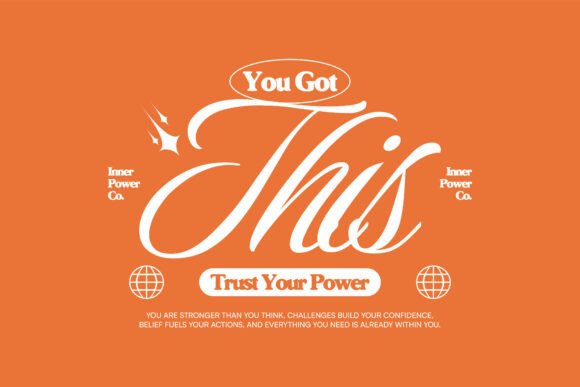
This isn’t just another decorative element. It’s a versatile design tool built for the realities of modern production. The graphic’s strength lies in its simplicity and clarity. With a focus on strong typographic forms, clean lines, and a balanced composition, it delivers a contemporary streetwear aesthetic without unnecessary complexity. This minimalist approach ensures the design remains impactful and readable, whether it’s scaled up for a hoodie back print or sized down for a sleeve detail. Its personality is confident, urban, and effortlessly cool, appealing to a broad audience that values understated style over loud graphics.
Where This Design Asset Truly Excels
The true value of a Minimal Typography Streetwear Graphic is its incredible range. Think of it as a foundational piece for your brand identity. Its clean lines and modern typography make it a natural fit for logo design, where it can serve as a standalone mark or be integrated into a larger wordmark. The same graphic that works on a t-shirt can seamlessly extend to packaging design for products, social media graphics for consistent branding, or web design elements for an online store. This kind of consistency is what builds brand recognition and professionalism.
For entrepreneurs and creators, the applications are practically limitless. It’s a premium font-based asset that elevates any project. Imagine it on:
- Apparel: T-shirts, hoodies, sweatshirts, and hats. Its simplicity ensures it pairs well with any garment color.
- Merchandise: Posters, mugs, tote bags, and stickers. The high-resolution files guarantee crisp results on any surface.
- Digital Projects: Website banners, YouTube thumbnails, Instagram posts, and digital ads.
- Print Media: Zines, editorial design layouts, event flyers, and business cards.
This flexibility is key for small businesses and print-on-demand models, where one strong design needs to work across an entire product line without requiring costly modifications for each item.
Making Smart Design Choices with Your Asset
Having a great graphic is one thing; using it effectively is another. The success of your project will depend on a few practical considerations. First, always evaluate the project fit. The streetwear-inspired, minimalist style of this graphic lends itself to brands and products targeting a young adult to adult demographic (20–50). It communicates a sense of modernity and intentionality, which can influence brand perception, making your products feel more curated and high-end.
Readability is paramount, especially in typography-driven design. A key strength of this graphic is its design for clarity. When preparing your files for print, whether for digital printing, sublimation, or screen printing, the included EPS, SVG, and PNG files at 300 DPI are essential. They provide the resolution and scalability needed for the highest quality output. The vector formats (EPS, SVG) are particularly valuable, allowing you to resize the graphic to any dimension without a single pixel of quality loss—perfect for scaling from a small chest print to a large poster.
Consider your font pairing if the graphic includes text or will be combined with other type. A strong sans serif font often complements this style, but you could also create interesting contrast with a subtle serif font or a script font for secondary elements. Always test your pairings to ensure visual harmony and hierarchy. Finally, review the licensing. For commercial use, especially in mass production or for selling finished products like t-shirts and posters, a clear commercial license that permits unlimited copies is non-negotiable. This allows you to scale your business confidently, whether you’re selling online, in a physical store, or through wholesale channels.
From Concept to Finished Product
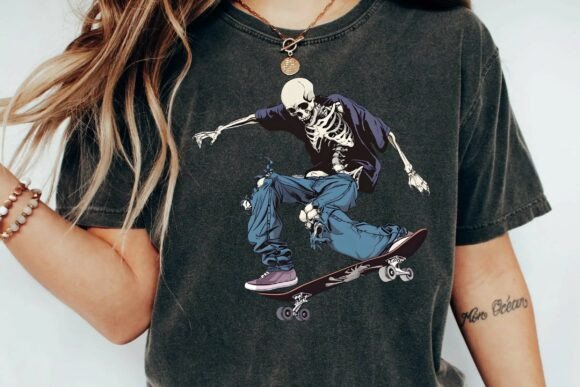
Let’s ground this in a real-world scenario. You’re launching a new line of graphic tees for your online clothing brand. You need designs that are quick to market, cost-effective to produce, and resonate with your audience. Instead of commissioning expensive custom artwork for each design, you start with a versatile asset like the Minimal Typography Streetwear Graphic. Its inherent style aligns with contemporary fashion trends, giving your collection an immediate visual coherence.
You download the files, choose the PNG for a quick mockup on a black tee, and the SVG for your printer to create the screen print film. The same graphic is then used on your website’s hero banner, your Instagram story templates, and even as an emboss on your packaging. This workflow saves time, reduces design costs, and ensures every customer touchpoint reinforces the same brand identity. The result is a professional, polished, and scalable product line that looks like it came from an established brand, not a startup.
In a crowded marketplace, the designs you choose tell your story. Opting for a clean, adaptable, and production-ready asset like this gives you a foundation to build upon. It’s not about following a trend blindly; it’s about selecting tools that offer both creative freedom and practical utility, allowing you to focus on growing your brand and connecting with your audience.